Framer vs Ceros: Build the website or embed an interactive experience?
Ceros Studio is aimed at interactive content experiences that can run on a standalone URL or inside another site. Framer is a website platform. It is the more direct choice when navigation, CMS, SEO, hosting, and the interactive page all need one owner.












Framer vs Ceros for interactive campaigns and owned websites
Decision factor | Framer | Ceros | How to read the difference |
|---|---|---|---|
Primary output | A complete hosted website | An interactive experience or content asset | The products solve different layers of the stack |
Distribution | Pages within the main site and domain | Standalone URLs or embeds in another site | Framer avoids an extra container for owned-site work |
Interaction design | Visual effects, components, and custom code | Freeform Studio with rich interactive features | Ceros is the specialist for experience production |
Content model | CMS collections tied to designed pages | Experience-led project workflow | Framer suits content that repeats and grows |
Measurement | Site analytics integrations and page-level optimization | Built-in experience analytics | Ceros gives interaction teams dedicated reporting |
Best fit | Interactive marketing pages within an owned site | Campaign assets, reports, and embedded experiences | Choose based on where the experience must live |
Framer's published plans vs Ceros's sales-led pricing
Pricing question | Framer | Ceros | Planning note |
|---|---|---|---|
Published pricing | Free, Basic, Pro, and higher tiers are listed publicly | Core platform pricing is sales-led | Framer is easier to estimate without a sales process |
What drives cost | Site plan, editors, locales, CMS, and bandwidth | Workspace needs, users, services, and interactive-content program | The products price different deliverables |
AI usage | AI credits are included by plan with more available | Ceros AI products use their own credit model | Estimate generation separately from human production |
Total program | One platform can cover the main website | Budget may include the host site plus Ceros experiences | Architecture has a larger effect than a plan comparison |
Choose Framer when interactivity belongs to the main website


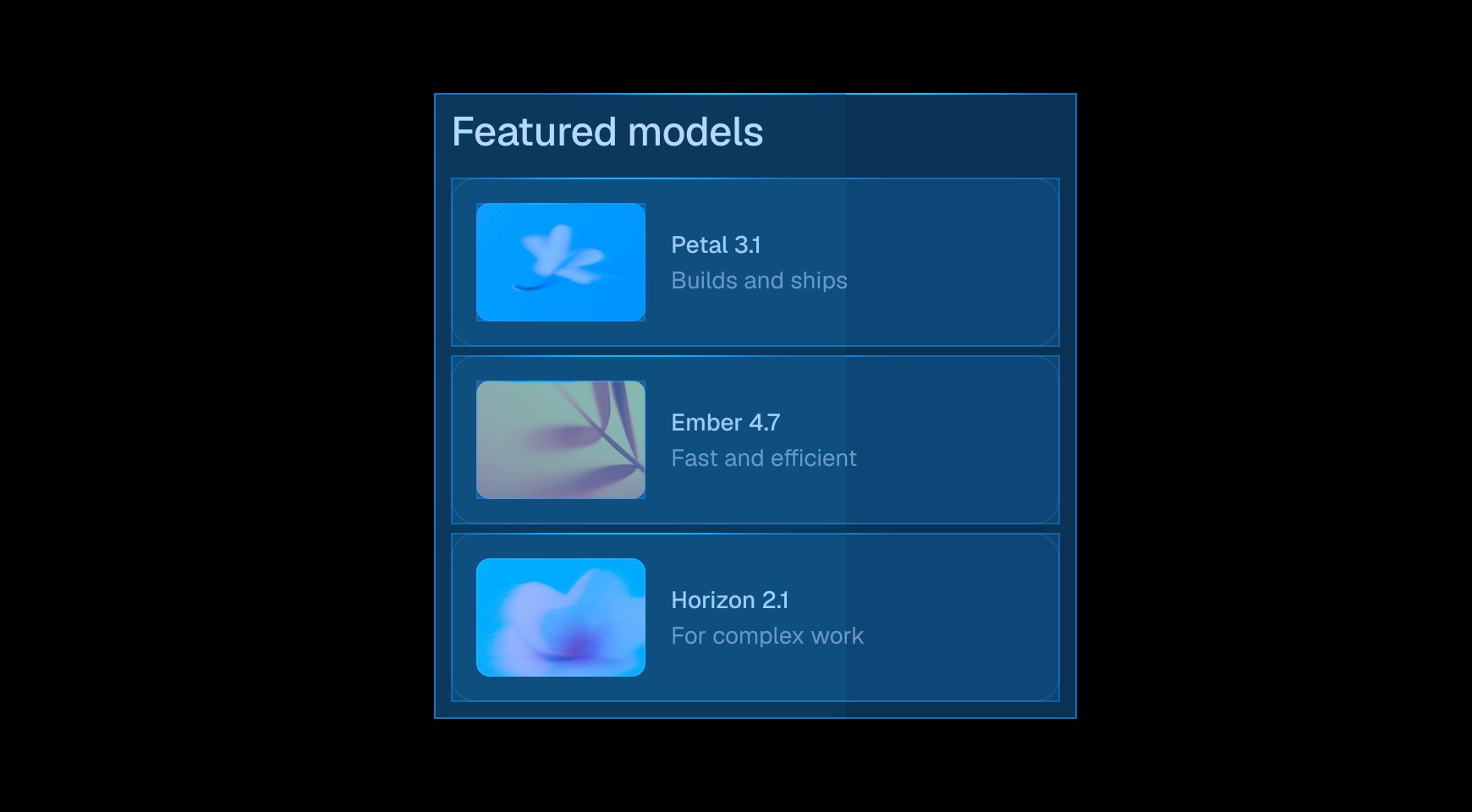

Framer covers global navigation, landing pages, content collections, forms, redirects, and publishing as well as animated campaign sections.




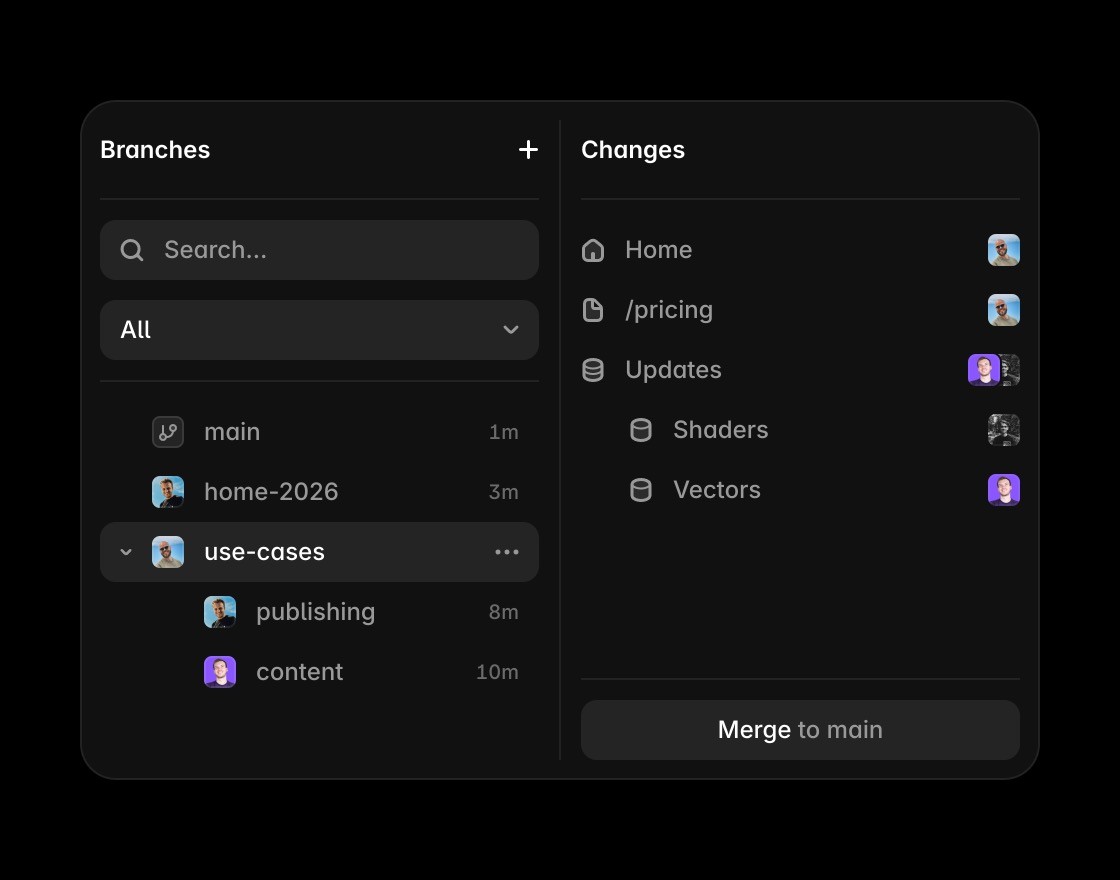
Components can package motion and behavior into modules for product, event, and campaign pages while remaining editable in the shared site system.

The interactive work lives on standard site pages with editable metadata, headings, internal links, and CMS relationships instead of relying on an embed.


Ceros fits rich campaign experiences, immersive reports, and interactive assets distributed across channels or embedded in an existing stack.
Turn interactive content into a site
Framer keeps creative layout, motion, type, and breakpoints editable while connecting the site to a complete publishing workflow.
Use Framer CMS when creative pages need repeatable content for launches, stories, resources, or campaigns.
Framer helps visual and interactive pages carry metadata, clear structure, FAQs, and answer-ready copy.
This comparison needs performance because rich creative pages still have to load fast and behave like production sites.
Framer publishes creative work from the same platform where teams design, review, and prepare the page.
Explore Framer resources for examples, components, and patterns used by teams shipping polished creative sites.
The practical verdict on Framer vs Ceros



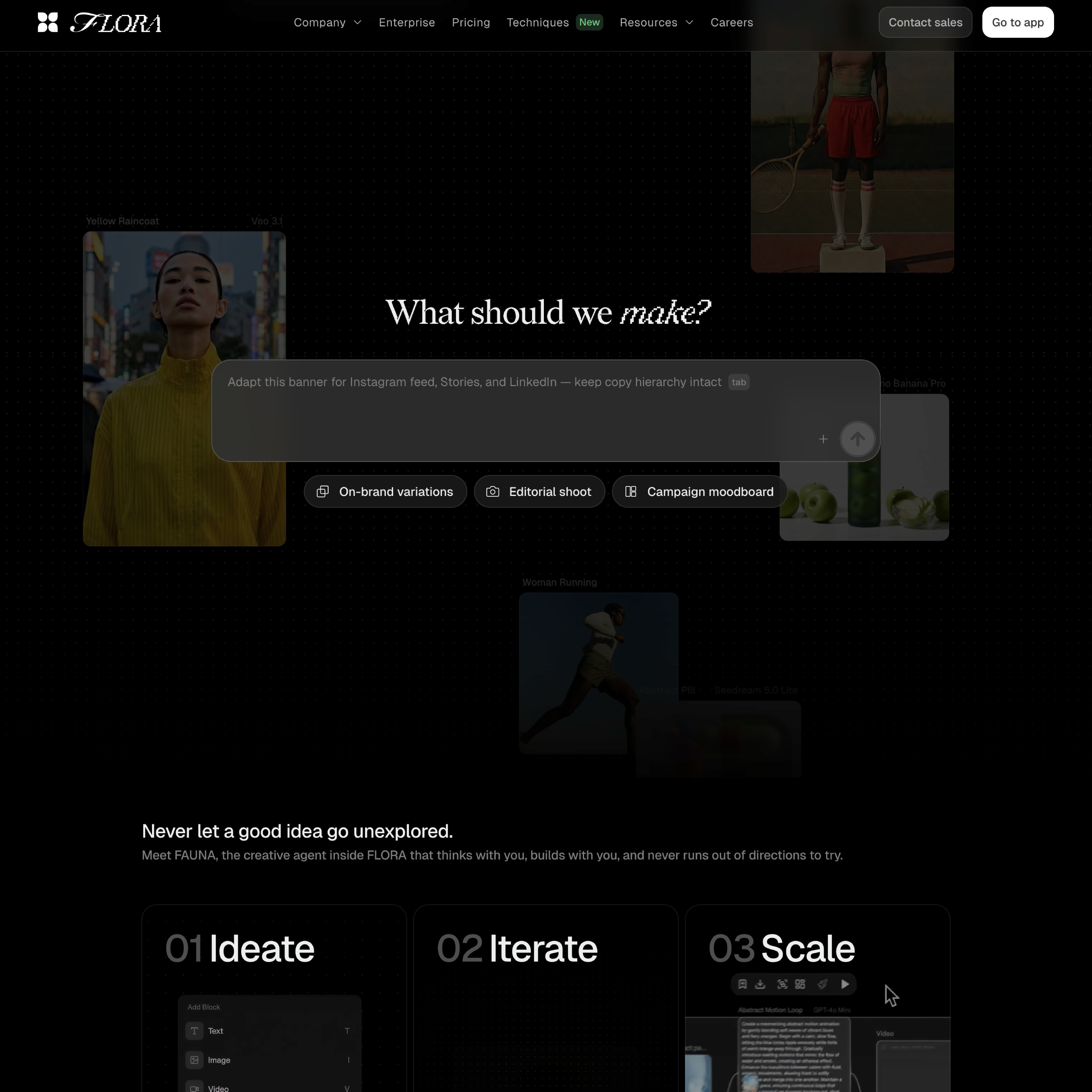



Compare Framer with other tools














Frequently asked questions
What is the main difference between Framer and Ceros?
Ceros Studio is aimed at interactive content experiences that can run on a standalone URL or inside another site. Framer is a website platform. It is the more direct choice when navigation, CMS, SEO, hosting, and the interactive page all need one owner.
Who should choose Framer over Ceros?
Choose Framer to make interactivity part of an owned, searchable website. Choose Ceros to produce standalone or embedded interactive content as a specialist campaign asset. Framer covers global navigation, landing pages, content collections, forms, redirects, and publishing as well as animated campaign sections.
When is Ceros the better choice?
Ceros remains a strong specialist for rich campaign experiences, immersive reports, and interactive assets distributed across channels or embedded into an existing stack.
How does the editing workflow differ from Ceros?
Convert a campaign treatment into a repeatable module. Package successful layouts and interactions as components instead of rebuilding or re-embedding them for the next launch. Edit titles, descriptions, semantic structure, and links on the page that search engines and visitors actually reach.
How should a team compare Framer and Ceros pricing?
Framer publishes plan prices, while Ceros uses a sales-led model for its interactive-content platform. Include the host website, experience production, analytics needs, services, and AI usage in the program budget.
Can Framer and Ceros be used together?
Yes. Ceros experiences can be embedded in or linked from a Framer site. The integration makes sense for a specialist interactive asset, although native Framer pages are simpler when search visibility and shared components matter most.
